Pickleball has firmly found its place across the UK’s health and leisure industry. Badminton courts have discovered a new lease of life through portable pickleball nets and post systems. Players have formed clubs, leagues and social groups, and pickleball now occupies regular weekly slots in sports hall timetables throughout the country.
It’s easy to forget that just a few years ago, pickleball was virtually unknown in the UK. Yet now it finds itself competing for attention with the latest racket sport to capture the industry’s imagination: padel.
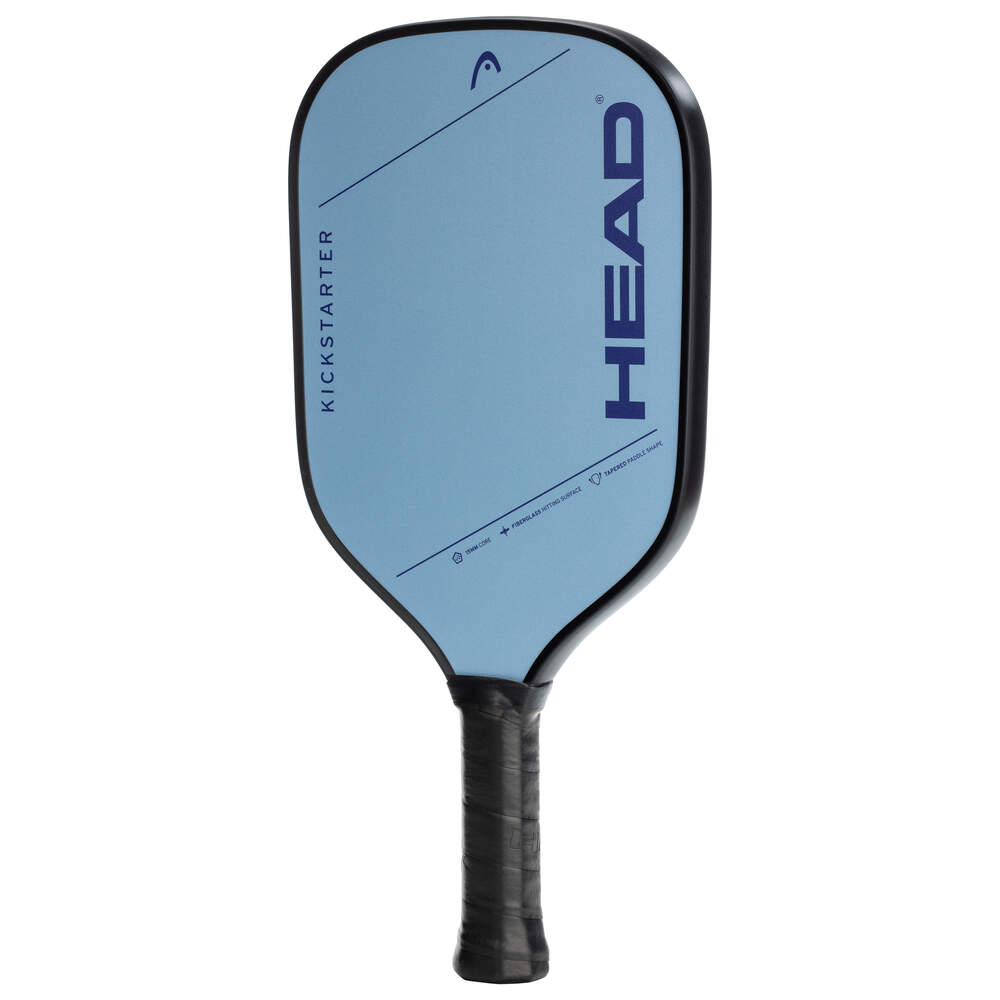
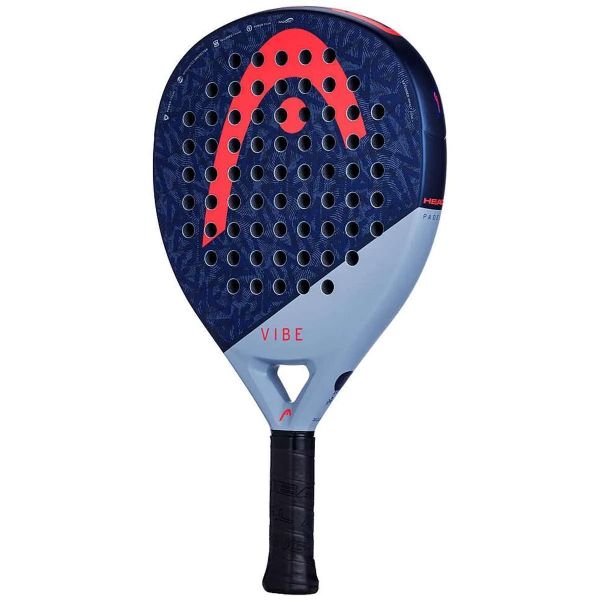
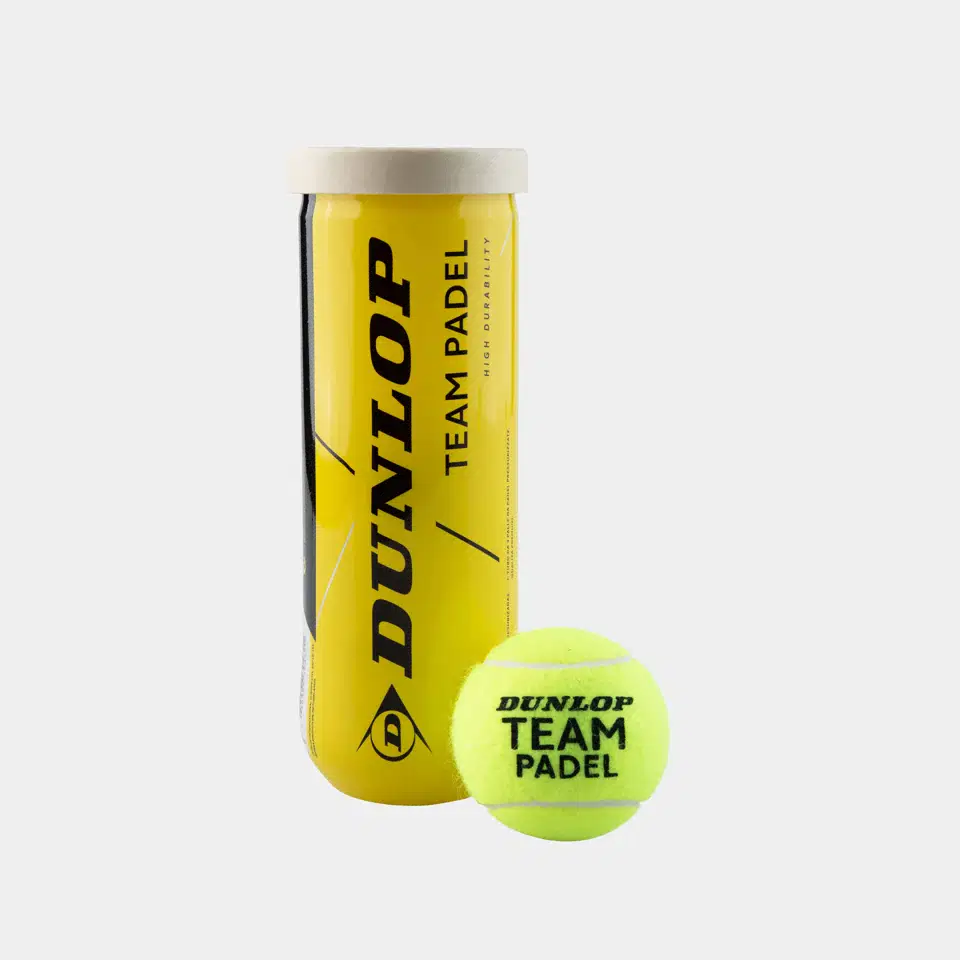
Some people are still getting the two mixed up. Pickleball is played on a badminton-sized court using a low net, solid paddles and a perforated plastic ball. Padel, meanwhile, is played on a purpose-built enclosed court with glass walls and uses a ball that looks almost identical to a tennis ball.
Right now, padel is getting most of the headlines. New courts are appearing across the country, social media feeds are full of padel content, and operators are keen to be part of what feels like the next big thing.
For most local authority and trust-operated leisure facilities, it remains significantly easier and more cost-effective to introduce pickleball than it is to build new padel courts. A sports hall, a few portable nets and some paddles are often all that’s required. Padel, by comparison, demands substantial capital investment, dedicated space and long-term confidence in participation levels.
If you ask Copilot to compare global participation, the numbers are surprisingly close: roughly 35 million padel players worldwide versus around 30 million pickleball players. Padel is particularly strong across Europe and South America, while pickleball remains heavily concentrated in North America.
They’re impressive numbers, and both sports deserve attention and investment.
But here’s the thing.
Even combined, they’re absolute minnows compared to the original sports hall racket sport.
Badminton.
Depending on the estimate used, badminton is played by somewhere between 200 and 400 million people worldwide. It’s an established Olympic sport. It already exists in virtually every leisure centre in the country. It requires no new facilities, no major capital expenditure and no expensive construction projects.
Badminton often receives less of the marketing spotlight despite remaining the dominant participation sport.
By all means invest in padel. Continue to grow pickleball. Both have an important role to play in increasing participation.
Just don’t forget about the OG.